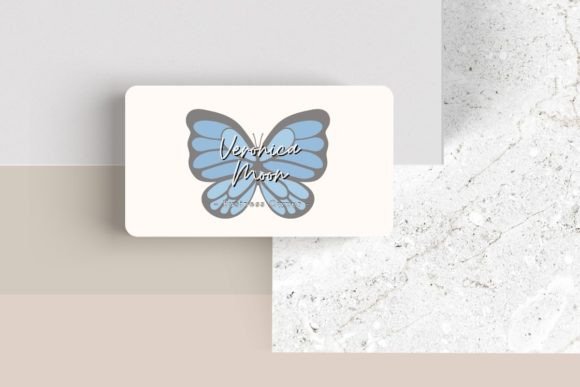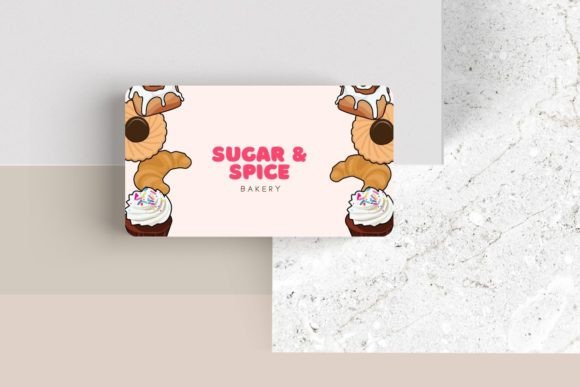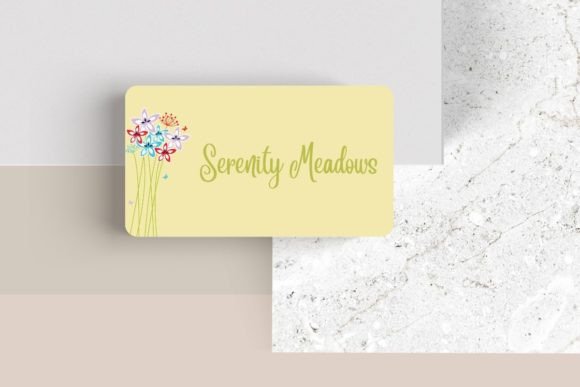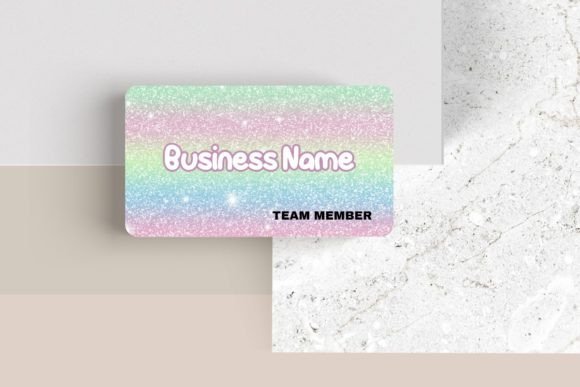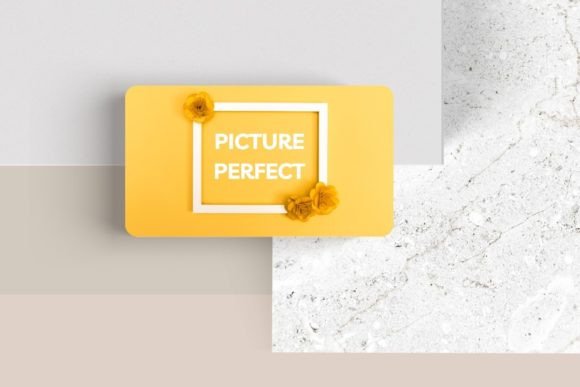
Editable Canva Business Card #58
Your business card is often the first tangible piece of your brand a client encounters. It needs to be more than just a list of contact details; it should be a mini-ambassador for your professionalism and style. That's where a versatile template like the Editable Canva Business Card #58 becomes invaluable, offering a sleek, modern foundation you can build upon to create something truly unique.
This particular design excels in its clean layout and modern typography, providing a sophisticated canvas for your information. The real power lies in its complete editability within Canva, a tool many already use. You're not locked into a static design. Instead, you have the creative freedom to adjust every element, ensuring the final product aligns perfectly with your existing brand identity.
Design Flexibility at Your Fingertips
What sets this template apart is the depth of customization. You can move elements around, swap out fonts, and change color schemes to match your logo and brand palette. This level of control is crucial for maintaining visual consistency across all your design assets.
- Typography Control: Experiment with different typefaces. Pair a bold display font for your name with a clean sans serif font for contact details to create hierarchy and interest.
- Branding Integration: Easily upload and place your logo. You can also add subtle graphic elements or patterns that reinforce your brand's aesthetic.
- Layout Experimentation: The template's grid allows you to move text boxes and icons, helping you find the most balanced and impactful composition for your details.
This approach is ideal for more than just business cards. The design principles you apply here—thoughtful font pairing, strategic use of color, and clean composition—are the same ones used in creating effective social media graphics, poster design, and even packaging design. Mastering a template like this hones skills that are transferable across all your creative projects.
Practical Applications for Creators
Consider the various professionals who benefit from such a resource. A freelance graphic designer can use it to showcase a minimalist aesthetic. A consultant might opt for a more traditional serif font to convey authority. A boutique owner could incorporate a script font for a touch of elegance. The template adapts to the story you need to tell.
Beyond the standard networking card, think about other uses:
- Appointment Cards: For salons, clinics, or coaches.
- Loyalty Cards: A simple way to encourage repeat business.
- Thank You Notes: A personalized card that leaves a memorable impression.
- Mini Portfolios: One side can feature a striking image from your work.
The key is to view the template not as a finished product, but as a starting point. By infusing it with your unique brand elements—your specific typeface, your color codes, your logo—you transform it into a powerful tool for brand recognition.
Tips for a Polished Result
To ensure your final card looks professional, keep a few principles in mind. First, prioritize readability. While a decorative script font looks beautiful, ensure your contact information is in a clear, legible sans serif or serif font. Second, less is often more. Avoid cluttering the card with too many elements; let the white space guide the eye.
Finally, always consider the practicalities. The standard business card size of 3.5″ x 2″ is designed for easy storage in wallets and cardholders. Ensure your design respects these dimensions and that critical information has a safe margin from the edge to avoid being trimmed during printing.
Choosing a well-designed, editable template like this one is an investment in your professional presentation. It streamlines the design process without sacrificing creativity, allowing you to produce a business card that feels both personal and polished. It’s a practical step toward building a cohesive and memorable brand identity.